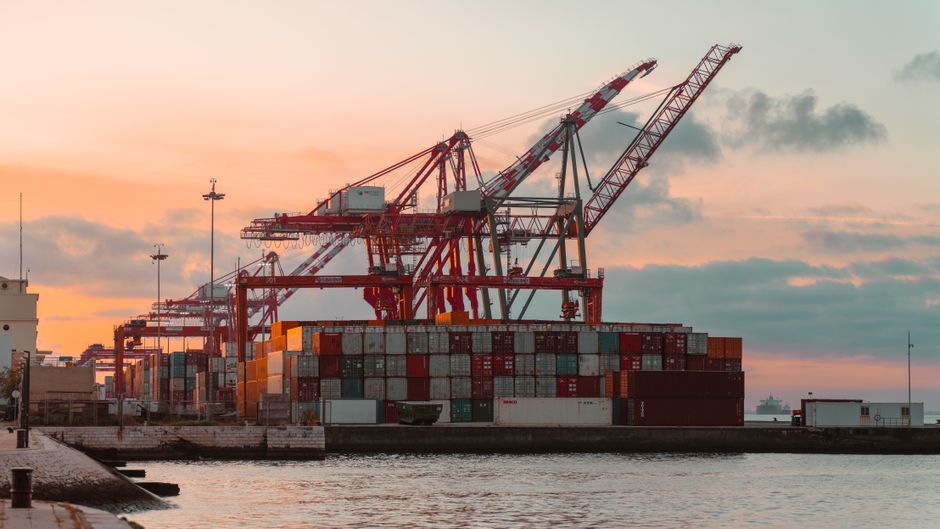
NTC Import Permits: Navigating Philippines Customs in 2026
In the Philippines, obtaining a Type Approval certificate is often viewed as the final step. However, to physically clear your goods through the Bureau of Customs (BOC), you must also secure a specific NTC Import Permit. An approved product stuck at the border is just an expensive warehouse decoration.
Executive Summary
- Requirement: Mandatory for all shipments of telecommunications and wireless equipment into the Philippines.
- Pre-requisite: The equipment must already possess NTC Type Approval.
- Entity Requirement: The applicant must be a Philippine-registered entity with active BOC accreditation and an NTC Dealer's License.
- Timeline: Processing typically takes 2–4 weeks. Securing it before shipment arrival is highly advised.
- System: Applied through the Philippine National Single Window (NSW).
What is an NTC Import Permit?
The NTC Import Permit (frequently referred to as a Certificate of Release) is the final operational document issued by the National Telecommunications Commission. It legally authorizes the entry of specific radio and telecommunication shipments into the country.
While Type Approval proves the product's design meets technical standards, the Import Permit proves that your specific shipment of boxes is authorized to cross the border. It applies equally to commercial inventory and non-commercial samples.

Prerequisites for the Permit
Applying for an Import Permit without the proper groundwork is a guaranteed rejection. Ensure these elements are in place:
- Valid Type Approval: The specific model on your commercial invoice must exactly match an existing NTC certificate.
- Corporate Licensing: The importing entity (Importer of Record) must be locally registered, possess Bureau of Customs (BOC) accreditation, and hold a valid NTC Dealer's/Manufacturer's License.
- Shipment Documentation: A commercial invoice (usually limited to one per application), packing list, technical specifications, and airway bill or bill of lading.
The Application Workflow
NSW Portal Submission
The importer logs into the Philippine National Single Window (NSW) dashboard and routes the application to the NTC. The commercial invoice and Type Approval certificate are attached.
Technical and Invoice Audit
NTC officers verify that the shipment contents directly align with the approved hardware specifications. Roughly 80% of customs shipment delays are caused by documentation errors here.
Issuance and Customs Presentation
Upon payment of fees and final approval, the permit is issued. This document must be presented to the BOC alongside standard import taxes to release the goods.
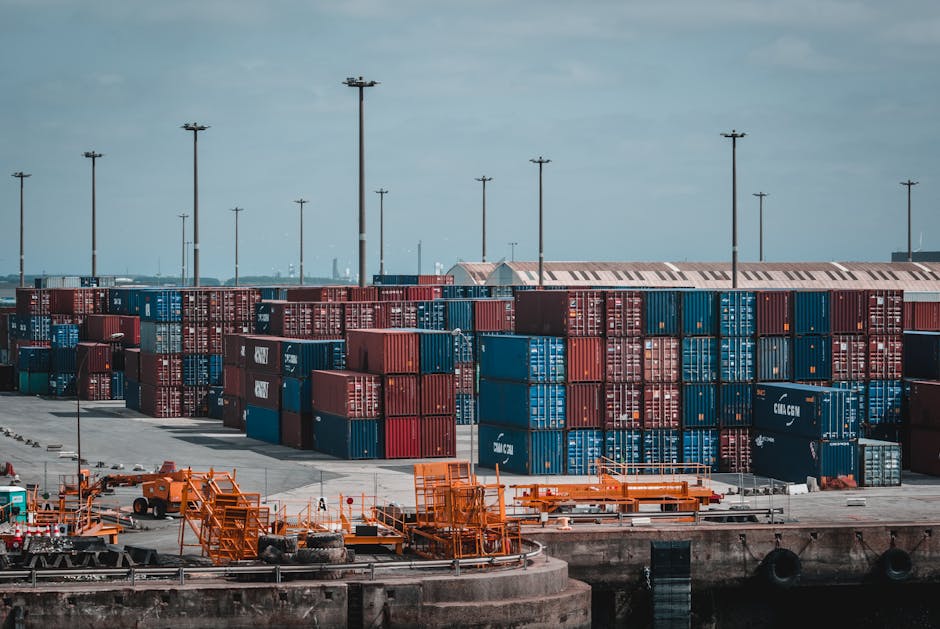
Common Causes of Delay
- Model Number Mismatches: The Bureau of Customs is uncompromising. If the model number on the invoice or box differs by a single letter or dash from the NTC certificate, the shipment will be stalled. Customs officers do not accept "it's the same thing" as a legal defense.
- Multiple Invoices: Submitting multiple commercial invoices under a single application often results in automated rejection via the NSW system.
- Demurrage Traps: Waiting until the shipment arrives in Manila to begin the permit application is a costly mistake that directly funds port storage fees. Always apply 2–4 weeks in advance.
Frequently Asked Questions (FAQ)
Can a foreign company apply for the Import Permit?
No. The permit must be secured by a Philippine-registered entity holding the proper NTC licenses and BOC accreditation. Foreign companies typically utilize an Importer of Record (IOR) service for this purpose.
Do I need an Import Permit for testing samples?
Yes. Even non-commercial shipments or samples intended for laboratory testing require customs clearance. You must typically apply for a special NTC exemption or sample permit.
How long does the NTC Import Permit process take?
Generally, expect a timeline of 2 to 4 weeks, assuming all prerequisite documentation (like the Type Approval certificate) is already secured.
Clear Your Philippines Shipment
We provide end-to-end NTC Import Permit management, IOR services, and logistics support to ensure predictable market entry.
Get Help Now