
NTC Type Approval in the Philippines: Complete Guide for 2026
The Philippines is a rapidly expanding market for wireless infrastructure and consumer electronics. However, securing market entry isn't just about shipping hardware; it's about securing National Telecommunications Commission (NTC) Type Approval. Regulatory documentation may not be exciting, but customs delays are significantly less exciting.
Executive Summary
- Regulator: National Telecommunications Commission (NTC).
- Validity: NTC Type Approval certificates are generally valid indefinitely as long as the product specifications do not change.
- Lead Time: Expect approximately 4 to 8 weeks for standard approvals.
- Testing: Foreign CE/FCC test reports are usually accepted, minimizing the need for local testing.
- Local Representative: A local Philippine representative holding a valid NTC Dealer's License is mandatory for the application.
This guide provides a comprehensive operational overview of the NTC process: what it entails, who is required to comply, the precise documentation you must assemble, and the critical function of your local representative.
What is NTC Type Approval?
The National Telecommunications Commission (NTC) is the agency responsible for regulating all telecommunications services and radio-frequency (RF) equipment in the Philippines. NTC Type Approval is the official confirmation that your wireless or telecom device aligns with the country's national technical and safety standards.
In simpler terms, it proves your device will operate safely on authorized frequency bands without causing interference to public telecommunications networks. It is the legal prerequisite to importing, selling, or distributing wireless technology within the country.
Who Needs It?
If your device contains a wireless transmitter, it is virtually guaranteed to require NTC approval. The NTC broadly classifies these into Radio Communication Equipment (RCE) and Customer Premises Equipment (CPE). The list includes:
- Mobile phones, tablets, laptops, and cellular routers (see our cellular guide)
- Wi-Fi and Bluetooth-enabled consumer electronics
- Short Range Devices (SRDs) and IoT sensors
- Satellite terminals, VSAT equipment, and radar systems
- RF modules and individual transceiver components
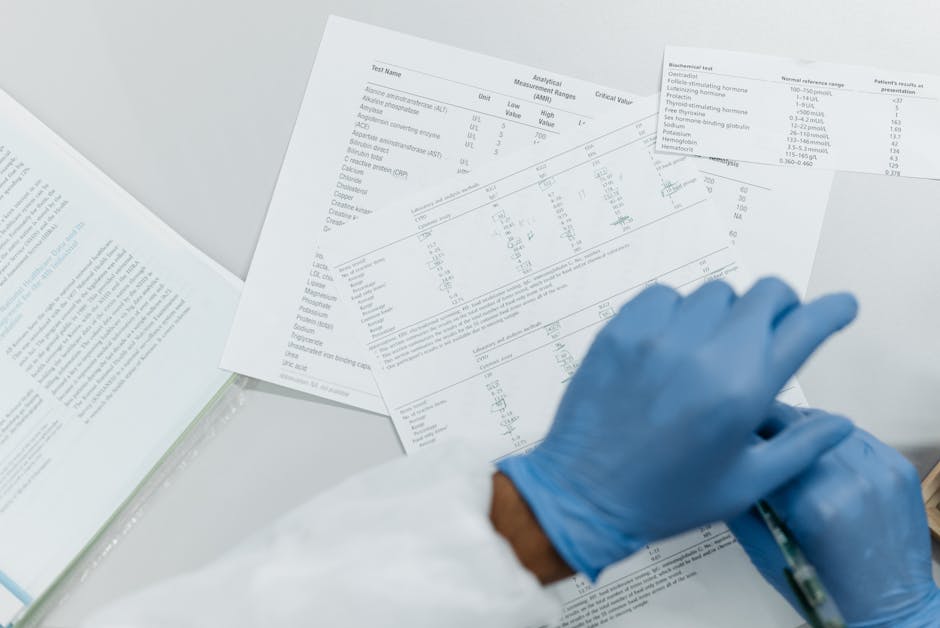
Documents Required for NTC Certification
NTC approvals move faster when documentation is complete - a surprisingly rare industry achievement. Prepare to submit:
- Signed NTC Application Forms and Letter of Authorization (LOA)
- Comprehensive Technical Datasheets and Specifications
- Complete RF, EMC, and Safety Test Reports (CE/FCC standard reports are generally accepted)
- Product Photos (Internal and External revealing the RF components)
- User Manual (in English)
- Declaration of Conformity (DoC)
Note: While international test reports are accepted, the NTC maintains the right to request a physical sample for inspection or local testing for highly specialized or novel equipment. Standard IoT and IT equipment rarely face this requirement.
The NTC Approval Process: Step by Step
Scheme Classification
Identify if your hardware falls under Type Acceptance (for RCE), Type Approval (for network-connected CPE), or Grant of Equipment Conformity (GEC) for combined devices. This dictates the technical routing within the NTC.
Local Representative Assignment
A locally registered company in the Philippines holding a valid NTC Dealer's License must act as the applicant. If you lack a local entity, HertzWeg provides this structural compliance layer.
Technical Review
NTC engineering teams audit your test reports against Philippine frequency allocations. Most approval delays are caused by documentation mismatches here, not the testing itself. The paperwork usually wins.
Certificate Issuance
Once technical conformity is established, the NTC issues the official certificate. It generally remains valid indefinitely, provided no RF modifications are made to the device.
Timeline & Expectations
The standard processing timeline for an NTC type approval certificate is roughly 4 to 8 weeks. Timelines can occasionally stretch during high-volume periods or if there are inconsistencies found within your test reports.
NTC Labeling Requirements
Securing the certificate is only step one. Upon approval, devices intended for sale in the Philippines must feature the official NTC sticker, containing the certification number. This demonstrates compliance to both customs officials and consumers.
The physical stickers are traditionally procured from the NTC post-certification. E-labeling integrated into device firmware is increasingly recognized, but requires specific authorization during the application phase.

The Role of the Local Representative
A product is only as global as its weakest certification. In the Philippines, foreign manufacturers cannot directly apply to the NTC. You must partner with a legally registered local company that assumes responsibility for the product's compliance. Selecting an experienced, neutral third party - rather than a distributor who may leverage the certification to restrict your sales channels - is a strategic necessity.
Key Points of Failure in NTC Filings
1. Mismatched Model Nomenclature
The model name listed on your EMC/RF test reports must precisely match your NTC application, the physical product label, and your NTC import permit. A single character discrepancy is grounds for a rejected file or a stalled customs clearance.
2. Overlooking the Safety Report
While the focus is naturally on radio frequencies, the NTC mandates electrical safety test reports (such as IEC 62368-1). Submitting a pristine RF package without safety testing will stall your application.
3. Utilizing an Unlicensed Importer
Possessing a Type Approval Certificate does not automatically grant customs clearance. The company actively importing the hardware into Manila must hold an active NTC Permit to Import.
Frequently Asked Questions (FAQ)
Do NTC certificates expire?
No. NTC Type Approval certificates are issued with permanent validity, provided the technical specifications and hardware components of the approved model remain completely unchanged.
Do I need to send physical samples to the Philippines for testing?
Generally, no. The NTC accepts internationally recognized test reports (CE or FCC). Physical testing is very rarely required for standard consumer and commercial telecom equipment.
Can a foreign manufacturer hold the NTC certificate?
No. The certificate must be held by a legally registered Philippine entity that possesses an NTC Dealer's License. If you do not have a local office, HertzWeg can serve as your official local representative.
Need Market Access in the Philippines?
HertzWeg serves as the technical local representative for global enterprises expanding into the Philippines. We bypass bureaucratic black boxes by actively validating your documentation and managing direct NTC submissions. Recent modernizations, such as the NTC Online Licensing Portal, have improved processing efficiency - when leveraged correctly.
Streamline Your NTC Approval
Meticulous documentation verification is the only path to predictable approvals. Connect with our engineering team today.
Discuss Your Product