Cellular Compliance: NTC Requirements for the Philippines
The Philippines imposes a rigorous set of standards for devices utilizing cellular network modules (GSM, WCDMA, LTE, 5G NR). Navigating the NTC requirements for mobile hardware requires specific technical diligence - because when it comes to telecom infrastructure, a slightly wrong frequency band is a completely rejected application.
Executive Summary
- Cellular Specifics: Devices like smartphones and tablets usually fall under the Grant of Equipment Conformity (GEC) or standard Type Approval scheme.
- GSMA TAC: A valid GSMA Type Allocation Code (TAC) certificate is strictly required to verify the hardware identity.
- Bands Supported: Hardware must align with Philippine frequency allocations, particularly for 4G (LTE) and 5G NR (e.g., Band n78).
- SAR Testing: Wearables and portable cellular devices require mandatory Specific Absorption Rate (SAR) test reports proving safe human RF exposure.
The GSMA TAC Requirement
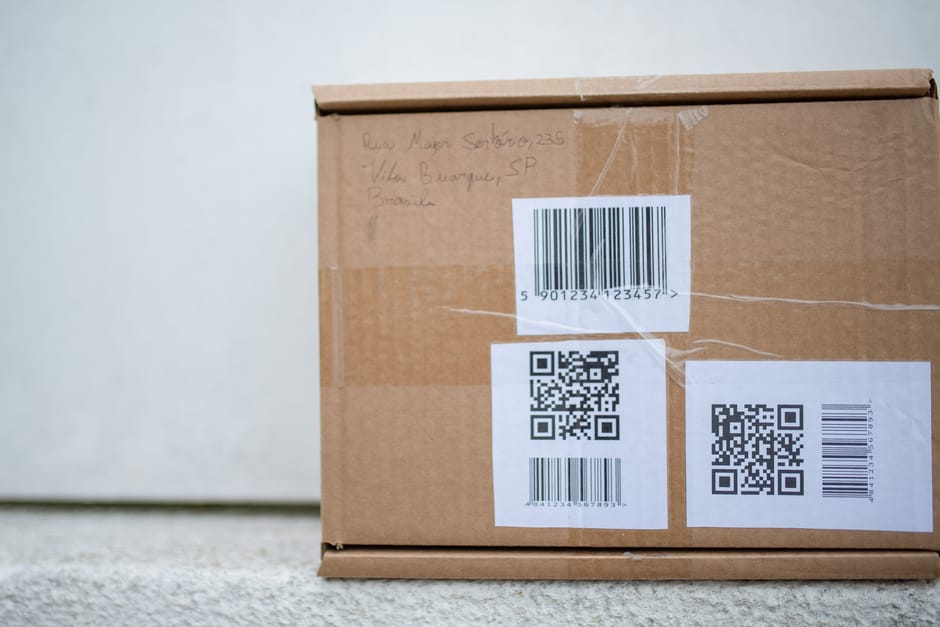
One of the most critical foundational aspects of NTC cellular approval is the Type Allocation Code (TAC). The GSMA TAC serves as the first 8 digits of a device's IMEI, functioning as the global identifier for the specific device model and OEM.
The NTC utilizes this to verify device identity and combat counterfeit or gray-market electronics. If your device's TAC is not officially recognized, or if it maps to a different model in the GSMA database, the application will stall indefinitely.
- Requires: An official GSMA TAC allocation letter clearly stating the model name, which must precisely match your test reports and NTC Type Approval application.
- Action: Validating the TAC is the NTC’s first line of technical defense. Ensure it is secured before submitting your compliance file.
Mandatory Frequency Bands
To ensure seamless interoperability with local telecom carriers (such as Globe, Smart, and DITO), the NTC meticulously checks that devices support authorized frequency bands. Your RF test reports (usually CE or FCC standard) must clearly cover these operational frequencies.
For modern 5G NR deployments, regulatory focus heavily centers on Sub-6 GHz bands, particularly Band n78 (3.5 GHz) and Band n41 (2.5 GHz). Devices broadcasting on unallocated or restricted military bands will be rejected.
SAR Testing for Wearables and Handhelds
For cellular devices intended to be used in close proximity to the human body (e.g., smartphones, smartwatches, medical telemetry sensors), a comprehensive Specific Absorption Rate (SAR) test report is mandatory.
This report proves that the device's RF energy exposure remains within the safe limits set by the NTC, which aligns with international standards like ICNIRP or IEEE. Missing SAR reports for body-worn cellular IoT is a frequent cause of filing delays.
"Type Acceptance" vs. "Type Approval"
Cellular equipment generally falls into one of two distinct regulatory routes, impacting application fees and technical routing within the NTC:
Type Acceptance (RCE)
Applies to Radio Communication Equipment that relies entirely on accredited international test reports (CE/FCC). Local testing is usually bypassed.
Type Approval (CPE)
Applies to Customer Premises Equipment connecting directly to public networks (often carrying GEC certification for mixed-use devices).
Frequently Asked Questions (FAQ)
Do I need local testing for a 5G router?
In most instances, no. The NTC generally accepts international test reports from ISO/IEC 17025 accredited laboratories (such as standard CE/ETSI reports) in lieu of in-country testing.
What happens if my GSMA TAC is pending?
You must wait until the GSMA officially allocates your TAC and issues the certificate. The NTC will not proceed with a cellular application without verified TAC documentation.
Is a local representative still required for cellular devices?
Yes. Similar to standard RF equipment, foreign manufacturers must utilize a Philippine-registered local representative with an active NTC Dealer's License.
How HertzWeg Simplifies Cellular Compliance
Submitting cellular NTC applications can feel like navigating a bureaucratic maze in the dark. HertzWeg conducts a rigorous pre-audit of your GSMA TAC, SAR data, and frequency specifications. We ensure your technical files align perfectly with NTC mandates before submission, protecting your market timeline from the dreaded "Notice of Disapproval."
Register Your Cellular Device
Expert NTC compliance routing for 4G, 5G, and cellular IoT hardware.
Get Started