Mandatory In-Country SAR Testing: Why Indonesia DJID Rejects Overseas Reports
While Indonesia accepts foreign MRA test reports for RF and EMC, Specific Absorption Rate (SAR) evaluation must be conducted inside an accredited Indonesian laboratory.
Executive Summary / SAR Testing Rules
- Foreign SAR Acceptance: Strictly 0%. Overseas SAR reports from FCC or CE labs are not accepted.
- Regulated Products: Cellular mobile phones, tablets, handheld transceivers, and wearable devices operating within 20 cm of the human body.
- Testing Location: Must be performed at DJID-recognized local test facilities (such as Balai Besar Pengujian Perangkat Telekomunikasi - BBPPT in Depok/Jakarta).
- Sample Requirements: Two (2) functional test units with conducted RF test modes enabled.
One of the most frequent surprises for international hardware manufacturers entering Indonesia is discovering that their multimillion-dollar international CE/FCC compliance dossier is incomplete. The Directorate General of Digital Infrastructure (DJID) maintains an uncompromising policy: all devices requiring Specific Absorption Rate (SAR) verification must be tested physically on Indonesian soil.
Most approval delays are caused by documentation and testing mismatches rather than the engineering itself. In Indonesia, assuming your overseas SAR report will slide through is the fastest way to add eight weeks to your launch schedule.
Preparing Samples for Local SAR Testing
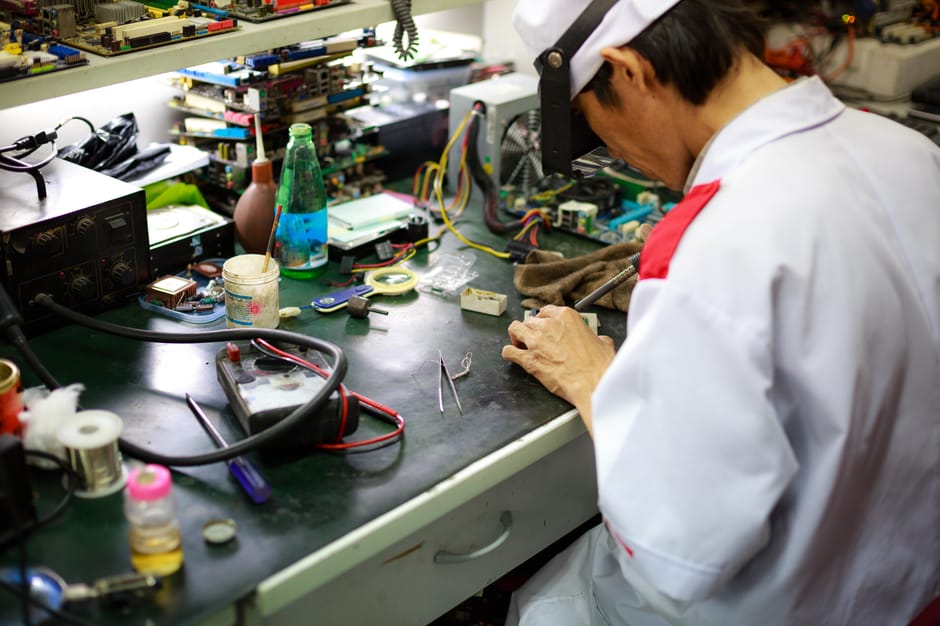
To avoid laboratory queue rejections in Jakarta, manufacturers must prepare their test samples carefully:
- Engineering Firmware: Provide units pre-loaded with engineering test software capable of locking specific frequency channels, modulations, and maximum power levels.
- Conducted & Radiated Samples: Supply one unit fitted with direct SMA/U.FL coaxial RF test leads alongside an unmodified commercial retail unit.
- Test Accessories: Deliver original batteries, dedicated charging adapters, and operating documentation translated into Indonesian or English.
Managing Lab Lead Times
Local test facilities in Indonesia operate on scheduled intake windows. Because local SAR testing adds 4 to 6 weeks to the total timeline, booking lab slots and dispatching customs test samples should be initiated as early as possible during the product development cycle.
Coordinate Your Indonesian SAR Testing
HertzWeg manages local sample customs clearance, lab queue scheduling, and engineering test support in Jakarta for seamless DJID compliance.
Schedule SAR Testing