NBTC vs. TISI: Understanding Thailand's Dual-Agency Compliance (2026)
For electronic products in Thailand, the regulatory landscape is split between two major agencies: the NBTC (Radio) and TISI (Safety). Navigating their overlap is essential for a successful product launch.
Executive Summary: Quick Answers
- NBTC: Regulates the wireless and RF aspects (preventing telecom interference).
- TISI: Regulates product safety, power supplies, and build quality (preventing fires).
- Overlap: Most wireless consumer electronics require both certifications to clear customs.
- Process: They are distinct filings; TISI may require factory inspections, while NBTC is mostly documentation-based.
A product is only as global as its weakest certification. You can have a perfect 5G module approved by the NBTC, but if the AC adapter isn't registered with TISI, your entire shipment will be enjoying a permanent vacation at Thai customs. Understanding the boundary between RF regulation and industrial safety is critical.
The Role of NBTC
The National Broadcasting and Telecommunications Commission (NBTC) focuses exclusively on the radio frequency (RF) and telecommunications aspects of a device. They ensure that your Wi-Fi, Bluetooth, or Cellular transmitters operate within Thai-approved frequency bands and power levels without causing harmful interference.
The Role of TISI
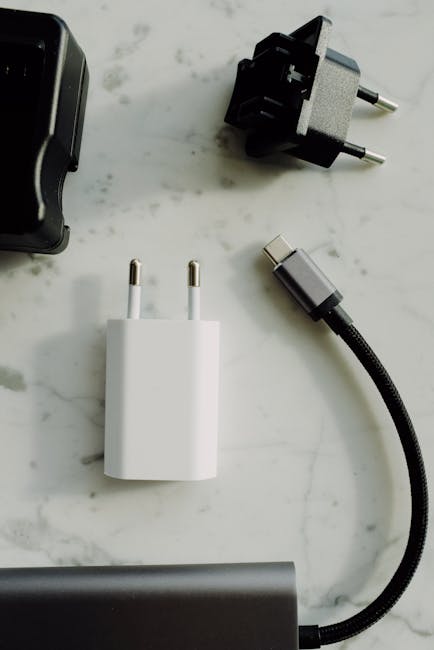
The Thai Industrial Standards Institute (TISI) governs the safety, energy efficiency, and quality of products. For electronics, this involves mandatory standards (TIS) related to electrical safety, power plugs, batteries, and appliances.
Common Overlap Products
Requires Both
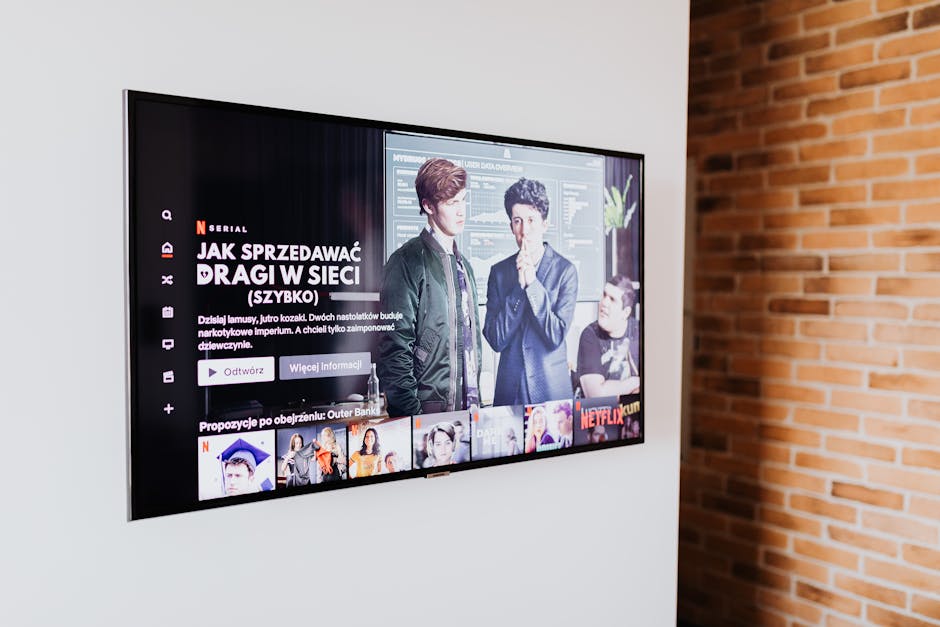
- Smart TVs (RF + Safety)
- Wireless Charging Pads
- Power Banks with Bluetooth
- Washing Machines with Wi-Fi
- Laptops & AC Adapters
Usually Only NBTC
- Mobile Phones (Self-contained, low voltage)
- Bluetooth Earbuds
- Wi-Fi Routers (DC powered, though the external adapter needs TISI)
Key Safety Standards (TISI)
- TIS 62368-1: The primary safety standard for IT and audio-visual equipment.
- TIS 166-2549: The mandatory standard for 2-pin and 3-pin power plugs used in Thailand.
- TIS 2217-2548: Secondary cells and batteries containing alkaline or other non-acid electrolytes.
Frequently Asked Questions (FAQ)
Can I use the same test reports for both NBTC and TISI?
Not exactly. NBTC typically accepts RF and EMC test reports from international ISO/IEC 17025 accredited labs. TISI, however, often requires electrical safety test reports and sometimes mandates testing at a TISI-designated local laboratory in Thailand.
Are factory inspections required?
For NBTC: No, it is generally a documentation-based process. For TISI: Yes, for many mandatory products, TISI requires an initial factory inspection to ensure quality control standards are met.
Do both require local representatives?
Yes. Both NBTC and TISI strictly require a Thai-registered entity (like an importer or local agent) to act as the applicant and hold the certification.
How HertzWeg Coordinates Both
TISI and NBTC operate on completely different portals with different timelines and technical requirements. HertzWeg manages both agencies in parallel, ensuring that your NBTC radio approval and your TISI safety mark are ready simultaneously, preventing one agency's delay from collapsing your supply chain.
Launching a Complex Electronic Product?
We specialize in dual NBTC and TISI compliance for the Thailand market.
Consult Our Team