MoIAT ECAS & EQM: Beyond RF Compliance in the UAE (2026)
While TDRA handles radio frequencies, the Ministry of Industry and Advanced Technology (MoIAT) governs the safety and efficiency of almost all electrical products entering the UAE through the ECAS and EQM schemes.
Quick Answer / Executive Summary
- What is it? Mandatory safety, RoHS, and energy efficiency certification for electrical goods in the UAE.
- Who issues it? Ministry of Industry and Advanced Technology (MoIAT), formerly known as ESMA.
- ECAS vs EQM: ECAS is product-based (1-year validity). EQM is facility-based with factory audits (3-year validity).
- Key Requirement: Products must meet UAE.S standards, generally aligning with IEC standards. You need a local UAE representative to hold the certificate.
Incomplete test reports and missing paperwork are among the most common causes of approval delays. Engineers design products to optimize physical laws - which are logical and permanent. Compliance, however, requires navigating regulatory laws - which are bureaucratic, shifting, and highly localized. We speak both languages.
What is ECAS?
The Emirates Conformity Assessment Scheme (ECAS) is a mandatory regulatory program that ensures products meet UAE national standards (UAE.S) based on international IEC standards. For electronics, this primarily focuses on LVD (Low Voltage Directive) safety and RoHS (Restriction of Hazardous Substances).
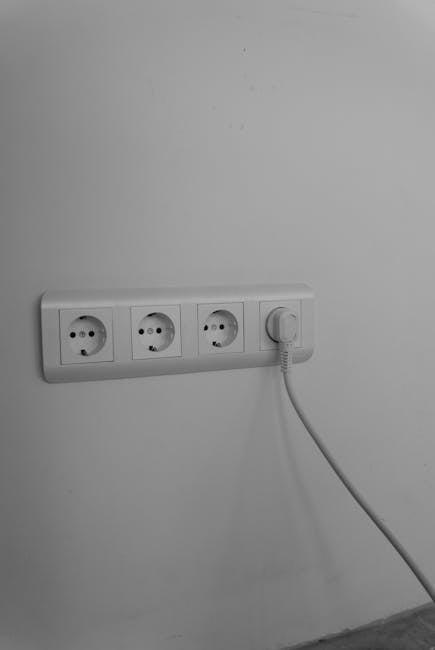
If your device plugs into a wall or contains a battery, it likely falls under MoIAT jurisdiction in addition to any wireless TDRA requirements. Ignoring MoIAT requirements is a surprisingly common, yet highly preventable, reason for product seizures at the border.
ECAS vs. EQM: Which One?
ECAS
Product-based certification. Valid for 1 year. Suitable for standard consumer electronics, low-risk hardware, and general IT equipment.
EQM
Emirates Quality Mark. Facility-based certification involving physical or virtual factory audits. Valid for 3 years. Required for high-risk products like water heaters, cables, and certain household appliances.
Key Requirements for Electronics
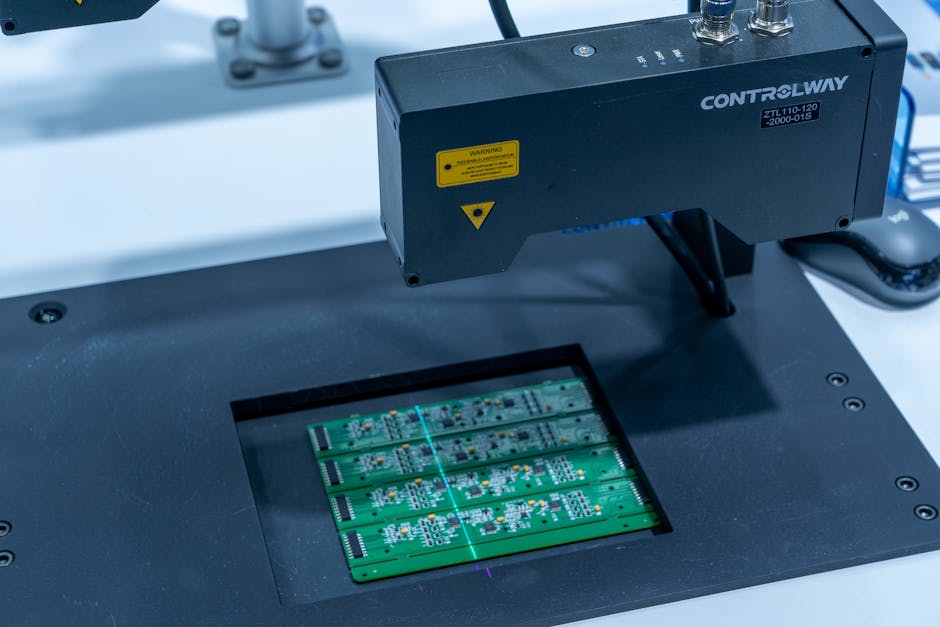
- CB Test Report & Certificate: Must be from an NCRI/IECEE recognized lab.
- RoHS Test Reports: Full breakdown of hazardous substance testing (Lead, Mercury, etc.).
- Local Representative: The certificate holder must be a UAE-registered trade license holder.
- Plug Requirements: Devices with AC power must use the BS 1363 (Type G) 3-pin plug configuration. Adapters are generally frowned upon unless permanently affixed.
The EESL Label (Energy Efficiency)
For specific appliances like air conditioners, washing machines, and refrigerators, MoIAT also requires the EESL (Energy Efficiency Standardization and Labeling) certificate. This involves a star-rating system that must be physically displayed on the product. Much like the TDRA label, placement and format are strictly audited.
Frequently Asked Questions (FAQ)
Is MoIAT the same as ESMA?
Yes. The Emirates Authority for Standardization and Metrology (ESMA) was absorbed into the newly formed Ministry of Industry and Advanced Technology (MoIAT). Older documents referencing ESMA generally apply to the current MoIAT ECAS/EQM procedures.
Do I need both TDRA and MoIAT ECAS?
If your device contains a wireless module (e.g., a smart washing machine), it requires TDRA Type Approval for the RF components and MoIAT ECAS/EESL for safety and energy efficiency. They are distinct requirements managed by different authorities.
Can a foreign manufacturer hold the ECAS certificate?
No. ECAS certification must be held by a legally registered UAE company with a valid trade license.
How HertzWeg Simplifies MoIAT
MoIAT filings can be notoriously bureaucratic. HertzWeg acts as your technical liaison, handling the entire application on the MoIAT portal, coordinating with Notified Bodies (NB), and providing the mandatory local representation to ensure your ECAS certificates are issued without technical queries.
Need ECAS Certification?
Get your UAE safety and energy compliance handled by experts.
Start Application