Understanding Morocco’s New 2025 SAR Labeling Mandate
Effective in 2025, the Agence Nationale de Réglementation des Télécommunications (ANRT) has introduced updated Specific Absorption Rate (SAR) disclosure rules. If your devices operate close to the body, compliance is now a strict import requirement.
Critical Alert: Enforcement Dates
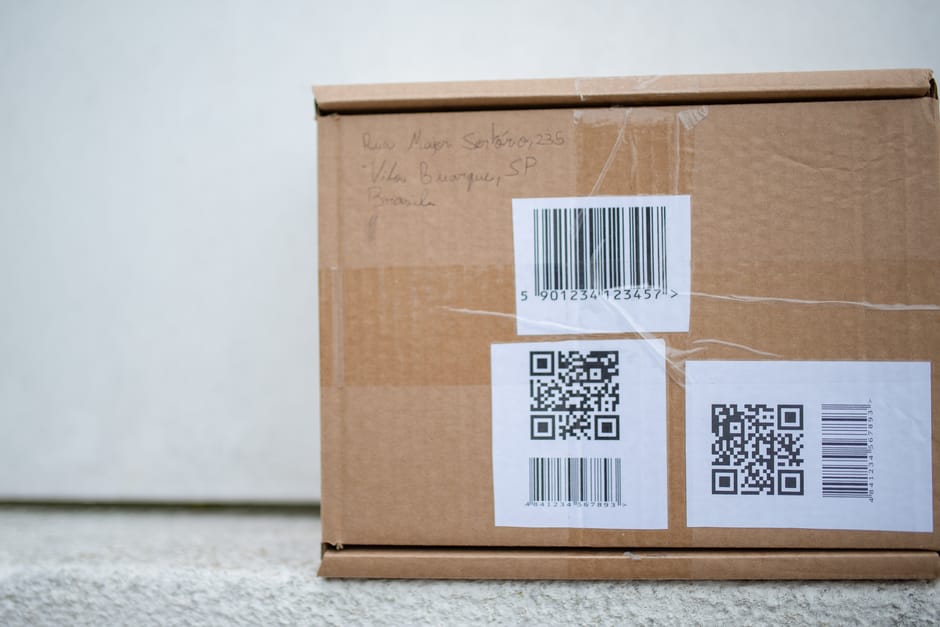
The new Morocco 2025 SAR regulations were introduced in early 2025, with full enforcement for all customs clearances beginning May 1, 2025. Non-compliant packaging will face immediate delays at customs, and stock in Moroccan retail channels must meet these marking guidelines to avoid regulatory fines.
Consumer health and safety have taken center stage in global electronics regulation, and Morocco is leading the region with its new guidelines. The Agence Nationale de Réglementation des Télécommunications (ANRT) now requires explicit, readable declarations of Specific Absorption Rate (SAR) values. For manufacturers, this means modifying packaging files and user documentation before shipping products to Rabat or Casablanca.
What is SAR and Why is ANRT Regulating It?
Specific Absorption Rate (SAR) measures the rate at which radiofrequency (RF) energy is absorbed by the human body when exposed to a wireless device. Although SAR testing has always been part of the technical evaluation during the ANRT type approval process, it was previously kept inside the laboratory test reports.
The updated mandate shifts this information from hidden engineering dossiers directly to the consumer. Under the new ANRT SAR labeling framework, the general public must be clearly informed of the radiation levels before purchasing or using the device.
Scope: Which Devices Are Affected?
The rule applies to any terminal or radio equipment that operates in close proximity to the body and has an output power exceeding 20 mW. Specifically, this includes:
- All mobile phones and smartphones (Head and Body SAR)
- Smartwatches and fitness trackers worn on the wrist (Limb SAR)
- Wireless headsets, earbuds, and body-worn sensors
- Tablets, laptops, and portable Wi-Fi hotspots used within 20 cm of the body
- Medtech wireless devices and transmitter vests
Specific Labeling and Packaging Requirements
Compliance is checked at two stages: during the initial ANRT type approval and at the customs border. To achieve compliance, your product presentation must satisfy three requirements:
1. On-Box Disclosures
The packaging SAR values Morocco mandate specifies that the retail box must show Head, Body, and (if applicable) Limb SAR levels. The font size must be legible, and the text must be in French, Arabic, or both. A typical acceptable label format is:
DAS Tronc / Body SAR: X.XX W/kg
DAS Membres / Limb SAR: X.XX W/kg
2. User Manual and Documentation
The user guide included inside the retail packaging must contain a dedicated section detailing safe usage guidelines, minimum separation distance (e.g., 5mm or 10mm used during lab tests), and the official SAR figures. This section must be in French or Arabic.
3. Point-of-Sale / Retail Signage
For smartphones, retail stores in Morocco must display the SAR values adjacent to the pricing and technical specifications cards on display models. Importers are responsible for supplying retail partners with correct artwork sheets.
Moroccan Limits vs. European Limits
Because ANRT aligns with European CE directives, the safety limits in Morocco are identical to the EU limits:
- Head SAR limit: 2.0 W/kg (averaged over 10g of tissue)
- Body-worn/Trunc SAR limit: 2.0 W/kg (averaged over 10g of tissue)
- Limb/Membres SAR limit: 4.0 W/kg (averaged over 10g of tissue)
How to Avoid Customs Delays
Customs agents at Moroccan ports (especially Port de Casablanca and Tanger Med) are trained to look for these details. To prevent a shipment from being seized, manufacturers should:
Pre-Shipment Inspections: Instruct factories to double-check that the correct Moroccan retail packaging labels are applied.
Artwork Pre-Approval: Submit your packaging layout to HertzWeg for an expert compliance review prior to printing.
Local Rep Alignment: Ensure your registered local representative holds the active ANRT certificate that matches the exact model number printed on the packaging.
Ensure Your Packaging Meets 2025 Mandates
Don't let simple labeling mistakes halt your supply chain. HertzWeg reviews your artwork, validates SAR formats, and coordinates with Moroccan customs to keep your products moving.
Review My Packaging Artwork